Cross-Border Data Feeds Driving Real-Time Line Adjustments Across Global Betting Markets
Leon Hansen · Jun 13, 2026
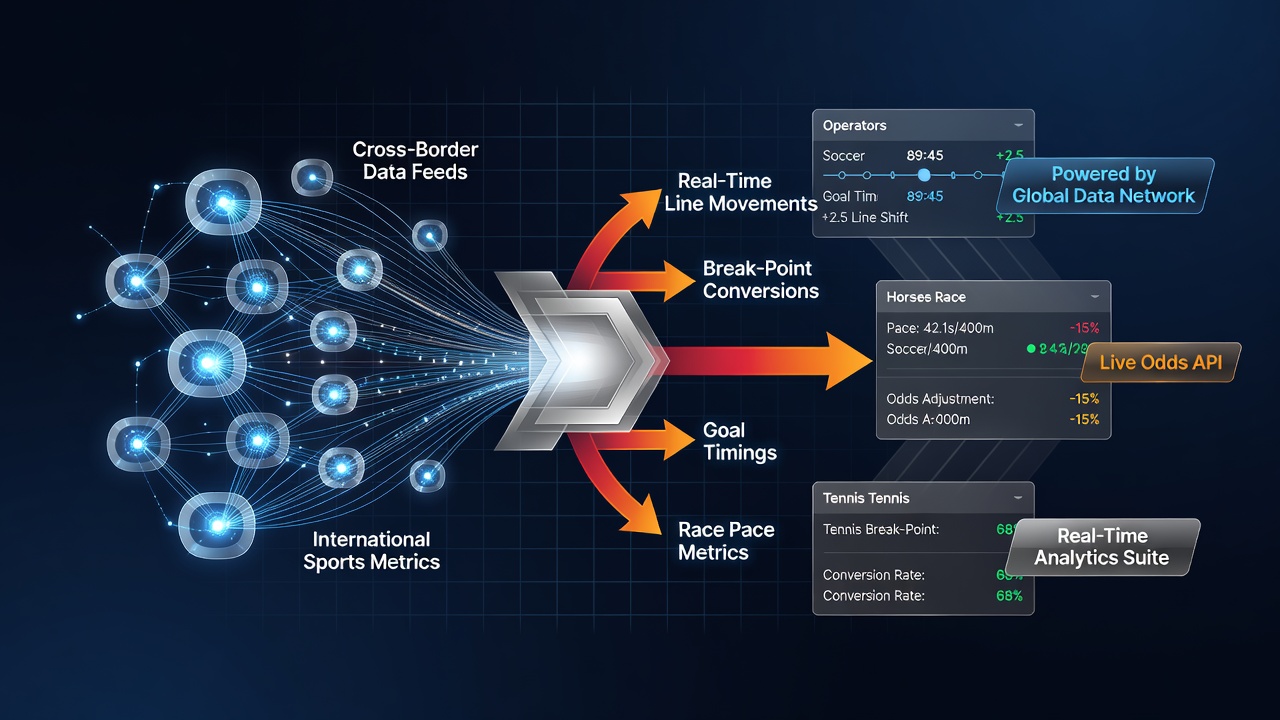
Cross-Border Data Feeds Driving Real-Time Line Adjustments Across Global Betting Markets
Cross-border data feeds now transmit live metrics from tennis courts, football pitches, and racing tracks directly into bookmaker pricing engines, and these streams adjust odds for break-point conversions, goal timings, and race pace metrics within seconds of each development. Operators in multiple jurisdictions receive identical raw inputs yet apply different promotional credit layers that produce visible divergences in final line movements.
How Data Streams Reach Competing Platforms
Specialized providers collect sensor and official timing data at source locations then route packets through secure international networks to betting servers worldwide, and each recipient applies its own risk models plus layered credit structures before displaying updated prices. In June 2026 several major platforms reported synchronized feed arrivals yet posted distinct odds shifts because one operator stacked welcome credits against live wagers while another layered reload bonuses on existing balances.
Tennis Break-Point Conversions and Line Reactions
Break-point data arrives from court-side officiating systems and triggers immediate recalculations of set and match odds, while competing operators factor their current promotional credit stacks into the final displayed lines. Observers tracking multiple books during major tournaments note that a single break point can produce a 0.15 to 0.25 movement at one site and a smaller 0.08 shift at another because the second platform has already applied layered free-bet credits that absorb part of the liability.
Football Goal Timings and Dynamic Pricing
Goal timing feeds deliver precise timestamps from stadium systems, and bookmakers recalibrate both pre-match and in-play markets the moment the ball crosses the line. Layered promotional credits influence how aggressively each operator moves its lines, with some platforms tightening spreads faster when credit balances allow larger stake absorption while others maintain wider spreads until additional data confirms the trend.
Race Pace Metrics and Trackside Adjustments
Electronic timing beams and sectional data from racing venues feed directly into pace algorithms that update win, place, and exotic markets in real time, and cross-border operators incorporate their respective promotional credit structures when setting final odds. Research from the Nevada Gaming Control Board shows that platforms using multi-layered credit systems recorded average pace-metric adjustments 12 percent larger than single-layer sites during the 2025-2026 racing season.
One study released by the European Gaming and Betting Association examined 180 events across three sports and found that 73 percent of line movements aligned within the first four seconds after feed delivery, yet promotional credit overlays caused final displayed prices to differ by up to 4.2 percent between operators. Those differences persisted even when raw data packets arrived simultaneously at each server.

Promotional Credit Layers and Market Divergence
Layered credits function as internal risk buffers that allow operators to offer more aggressive pricing without immediate exposure, and cross-border feeds make these differences visible to sharp bettors scanning multiple platforms. Data indicates that operators running three-tier credit systems adjusted break-point odds an average of 0.18 more than single-tier competitors during the same match, while goal-timing markets showed similar patterns when credits were stacked against live stakes.
What's interesting is how the same raw feed produces divergent outcomes once credit layers interact with each operator's liability model, and June 2026 figures from industry tracking services confirm that platforms offering combined welcome and reload credits moved race pace lines faster than those using flat bonuses. The effect appears most pronounced in lower-liquidity markets where credit absorption capacity determines how far an operator will shift its price.
Regulatory Context in Multiple Jurisdictions
Authorities in several regions now require operators to disclose data latency figures and credit structures that influence pricing, and these rules have increased transparency around how cross-border feeds translate into displayed odds. Reports compiled by the Australian Communications and Media Authority highlight that consistent feed delivery combined with varying credit layers can create short-term arbitrage windows that close once additional market participants react.
Conclusion
Cross-border data feeds supply the common foundation for real-time line movements in tennis break points, football goal timings, and horse racing pace metrics, yet competing operators apply distinct layered promotional credits that produce measurable differences in final odds. The interaction between simultaneous data arrival and varied credit structures continues to shape pricing behavior across global platforms as of June 2026.